

In today’s globalized marketplace, businesses rely heavily on efficient and reliable logistics solutions to transport goods across borders. From small e-commerce stores to large multinational corporations, the ability to move products safely, quickly, and cost-effectively is a critical factor in maintaining competitiveness. This is where international freight forwarding services come in – acting as the bridge between manufacturers, suppliers, and customers worldwide.
In this guide, we’ll break down what international freight forwarding is, how it works, and why it plays a vital role in global trade and supply chain management in Australia.
What Are International Freight Forwarding Services?
International freight forwarding services involve the coordination and shipment of goods from one country to another using various transportation modes – including air, sea, rail, or road. Freight forwarders act as intermediaries between businesses and transportation services, managing the logistics required to ensure that goods reach their destinations safely and efficiently.
Essentially, a freight forwarder doesn’t typically own ships, planes, or trucks but instead works with a network of reliable partners – including carriers, customs agents, and warehousing providers – to handle every stage of the shipping process.
Companies like JM International specialize in providing such end-to-end freight solutions, ensuring seamless delivery and compliance with international shipping regulations.
Key Roles of a Freight Forwarder
A professional freight forwarder offers much more than just transportation. Their expertise covers multiple aspects of the logistics process, including:
Route Planning and Carrier Selection
Freight forwarders analyze routes, rates, and transit times to choose the most efficient and cost-effective shipping options. Whether shipping by sea, air, or land, they optimize routes to balance speed and cost.
Documentation and Customs Clearance
One of the most complex parts of international shipping is the paperwork. Forwarders manage essential documentation – including bills of lading, commercial invoices, export licenses, and customs declarations – ensuring compliance with international trade laws.
Cargo Insurance
Freight forwarders offer insurance coverage to protect goods from loss or damage during transit. They help businesses choose appropriate insurance options based on the value and nature of the shipment.
Warehousing and Storage
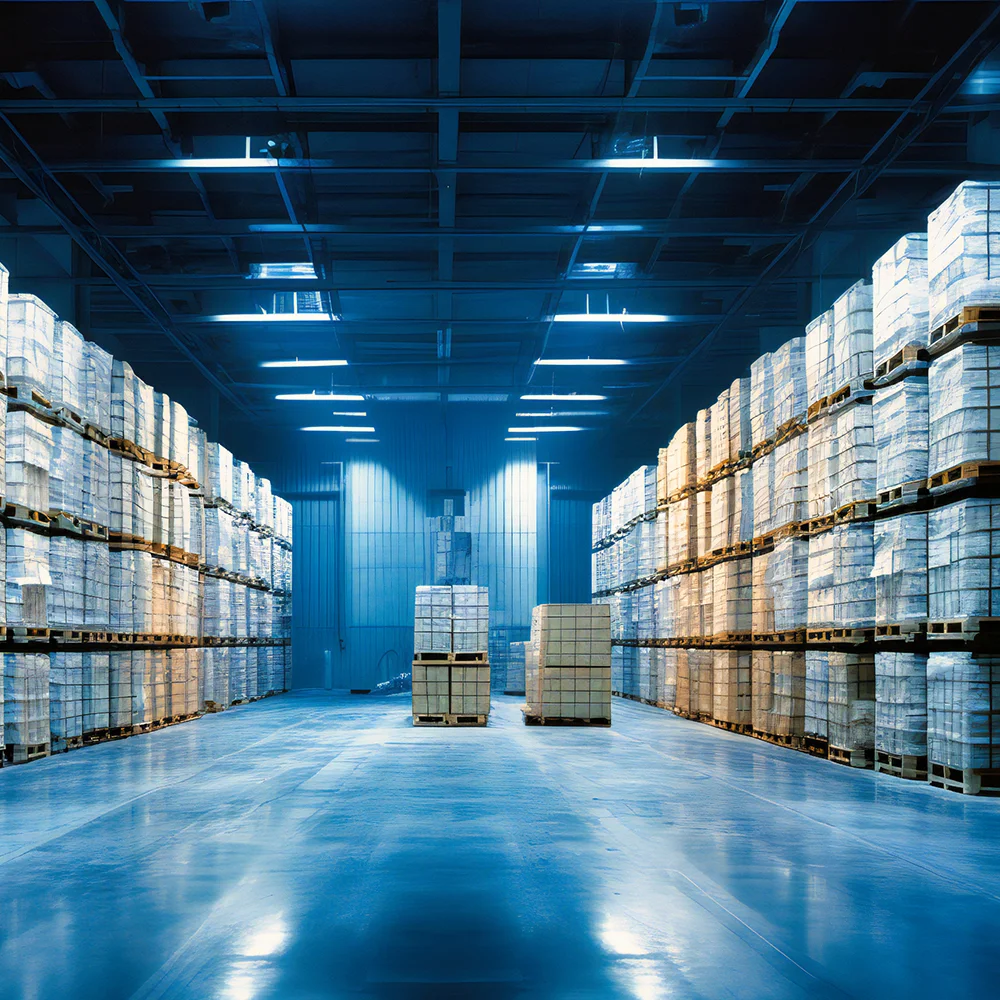
Many freight forwarders offer warehousing facilities for temporary storage before or after shipping. These warehouses are critical in maintaining inventory flow and ensuring that goods are stored safely until ready for dispatch.
Tracking and Reporting
Using advanced logistics software, forwarders provide real-time tracking updates, allowing businesses to monitor shipments at every stage. Transparency builds trust and helps companies make informed decisions in case of delays or route changes.
The Freight Forwarding Process: Step-by-Step
To understand how international freight forwarding services work, let’s take a closer look at the step-by-step process:
Shipment Preparation
The process starts with the client providing shipment details – including cargo type, weight, destination, and special requirements (e.g., temperature control for perishables).
Quotation and Route Planning
The freight forwarder reviews options and provides a quote based on mode of transport, customs duties, and handling costs. Once approved, they plan the best route for delivery.
Booking and Carrier Coordination
The forwarder books cargo space with a trusted carrier – such as an ocean liner, airline, or trucking company – and ensures the shipment schedule aligns with the client’s deadlines.
Documentation and Customs Compliance
Proper documentation is critical for cross-border shipping. The forwarder prepares export/import documents and ensures all paperwork meets the regulations of both countries involved.
Cargo Handling and Shipment
The goods are picked up, packed securely, and loaded onto the chosen mode of transport. During transit, the forwarder monitors the shipment’s progress and manages any logistical challenges that arise.
Customs Clearance at Destination
Upon arrival, the forwarder works with local customs agents to ensure smooth clearance. They pay duties and taxes on behalf of the client, if necessary.
Delivery and Final Reporting
Once cleared, the goods are delivered to the final destination, and detailed shipment reports are provided to the client for transparency.

Benefits of Using International Freight Forwarding Services
Partnering with a professional freight forwarder offers numerous advantages to businesses involved in global trade:
Expertise in Global Logistics
Freight forwarders possess in-depth knowledge of international shipping regulations, tariffs, and trade agreements. This expertise helps businesses avoid costly mistakes or delays.
Time and Cost Efficiency
By leveraging industry connections and volume discounts, forwarders negotiate better rates and streamline the entire shipping process. This saves businesses both time and money.
Customs and Compliance Support
Navigating customs procedures can be overwhelming. Freight forwarders simplify this process by managing all legal and regulatory requirements, ensuring your goods clear customs without issues.
Risk Management
From cargo insurance to proper packaging, freight forwarders minimize risks associated with transit damage, loss, or delays.
End-to-End Solutions
Comprehensive freight forwarding services include transportation, storage, distribution, and even reverse logistics. This one-stop solution improves efficiency in supply chain management in Australia and beyond.
Choosing the Right Freight Forwarding Partner
Selecting a reliable freight forwarding company is essential for ensuring successful international shipments. Here’s what to consider when choosing a logistics partner:
Experience and Global Network
Choose a company with proven experience and a vast international network. This ensures better coordination and timely deliveries.
Transparency and Communication
A trustworthy freight forwarder maintains open communication throughout the shipping process, providing regular updates and accurate documentation.
Range of Services
Look for a provider offering multimodal transportation, customs brokerage, warehousing, and insurance – covering every aspect of logistics under one roof.
Technology and Tracking Systems
Advanced digital tracking and reporting systems enhance visibility and reduce operational bottlenecks.
Customer Support
Reliable customer service is vital, especially when handling urgent shipments or resolving unexpected delays.
Companies like JM International stand out for their commitment to reliability, global partnerships, and tailored freight solutions designed to support the growing demands of Australian businesses.
The Role of Freight Forwarding in Supply Chain Management
In modern trade, freight forwarding is not just a logistics function – it’s a core component of supply chain management in Australia. Effective freight forwarding ensures that goods move seamlessly from manufacturers to end customers, aligning with production schedules, inventory management, and market demand.
Key contributions include:
- Streamlined logistics that reduce transit times and costs.
- Improved inventory control through real-time shipment tracking.
- Sustainability optimization by selecting efficient transportation modes.
- Scalability that allows businesses to expand into international markets effortlessly.
By integrating freight forwarding with broader supply chain strategies, businesses can enhance operational efficiency and maintain a competitive edge in the global marketplace.
Conclusion
International freight forwarding services are the backbone of global trade, ensuring that goods cross borders efficiently, securely, and in compliance with all regulations. Whether you’re importing electronics from Asia or exporting agricultural products to Europe, a trusted freight forwarder simplifies the process, allowing you to focus on your core business goals. With extensive experience, global connections, and a customer-centric approach, JM International continues to be a reliable partner for businesses seeking efficient freight forwarding and supply chain solutions across Australia and worldwide.
Frequently Asked Questions (FAQ)
1. What is the main purpose of a freight forwarder?
A freight forwarder’s main role is to organize and manage the international movement of goods efficiently. They handle transportation, documentation, customs, and coordination with carriers to ensure smooth delivery from origin to destination.
2. Do freight forwarders own transport vehicles like ships or trucks?
Most freight forwarders, including JM International, do not own their own vehicles. Instead, they collaborate with a network of trusted transport partners to secure the best routes and rates for each shipment.
3. What documents are required for international freight forwarding?
Common documents include a bill of lading, commercial invoice, packing list, export declaration, and certificate of origin. The freight forwarder prepares and verifies all these to ensure compliance with international regulations.
4. How does a freight forwarder help with customs clearance?
Freight forwarders act as intermediaries between the shipper and customs authorities. They handle documentation, duties, and taxes, ensuring shipments meet import/export regulations and clear customs without delay.
5. What’s the difference between a freight forwarder and a courier?
A courier handles smaller, time-sensitive parcels with direct delivery, whereas a freight forwarder manages large-scale, bulk shipments across international routes, involving customs, warehousing, and multi-modal logistics.